
When it comes to creating scented candles, the type of wax you choose plays a significant role in determining the quality of your candle. Three common choices are paraffin, soy, and beeswax. Each of these different waxes has unique characteristics, benefits, and drawbacks.
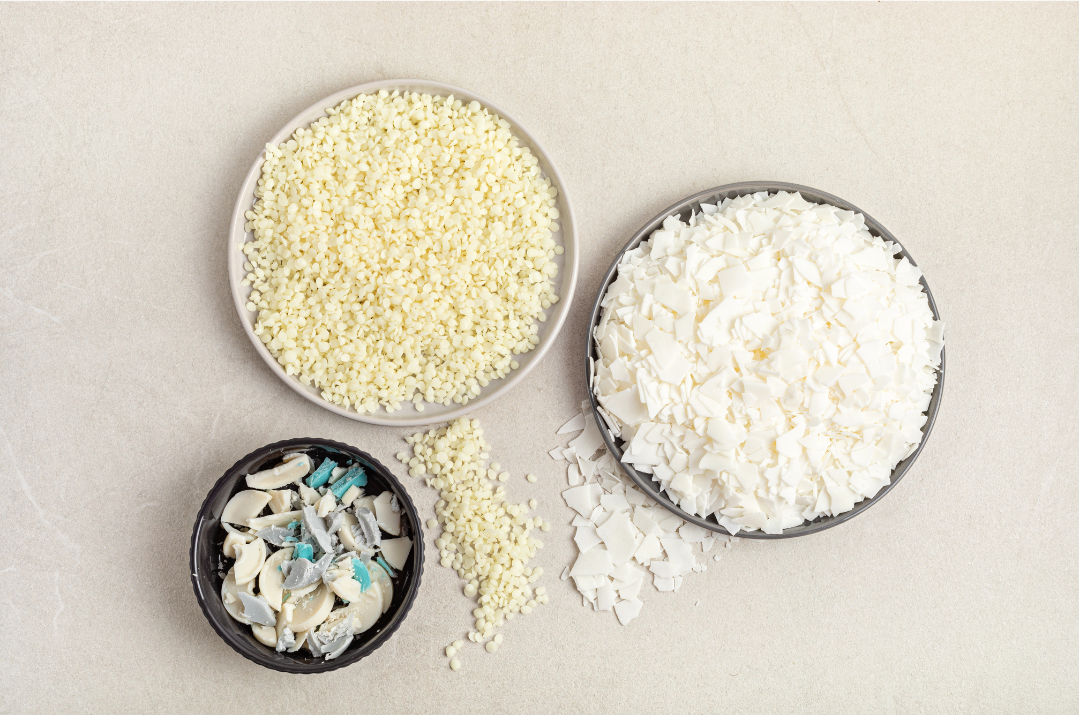
Paraffin vs Soy vs Beeswax
Paraffin wax is one of the most popular choices due to its affordability and ease of use. It’s a byproduct of the crude oil refinement process, making it readily available and budget-friendly.
Soy wax is a natural alternative that’s derived from soybean oil. It’s considered more eco-friendly and sustainable than paraffin wax. Soy candles burn cleanly and slowly, which helps your scented candles last longer and emit fragrance effectively. Beeswax, obtained from honeybees, is a premium choice. It’s known for its natural scent and long-lasting burn time.
Beeswax candles are often preferred by those who value eco-friendliness and the unique, honey-like aroma. In this article, we’ll learn about Paraffin vs Soy wax vs Beeswax in detail to help you make an informed choice for your scented candle-making journey.
Contents
Paraffin Wax
What is Paraffin Wax?
Paraffin wax is made from crude oil, which we use to make gasoline and other products. It’s a white, solid material that becomes liquid when heated and solid again when it cools down. People use it to make candles, preserve food, and make their hands and feet feel nice and soft.
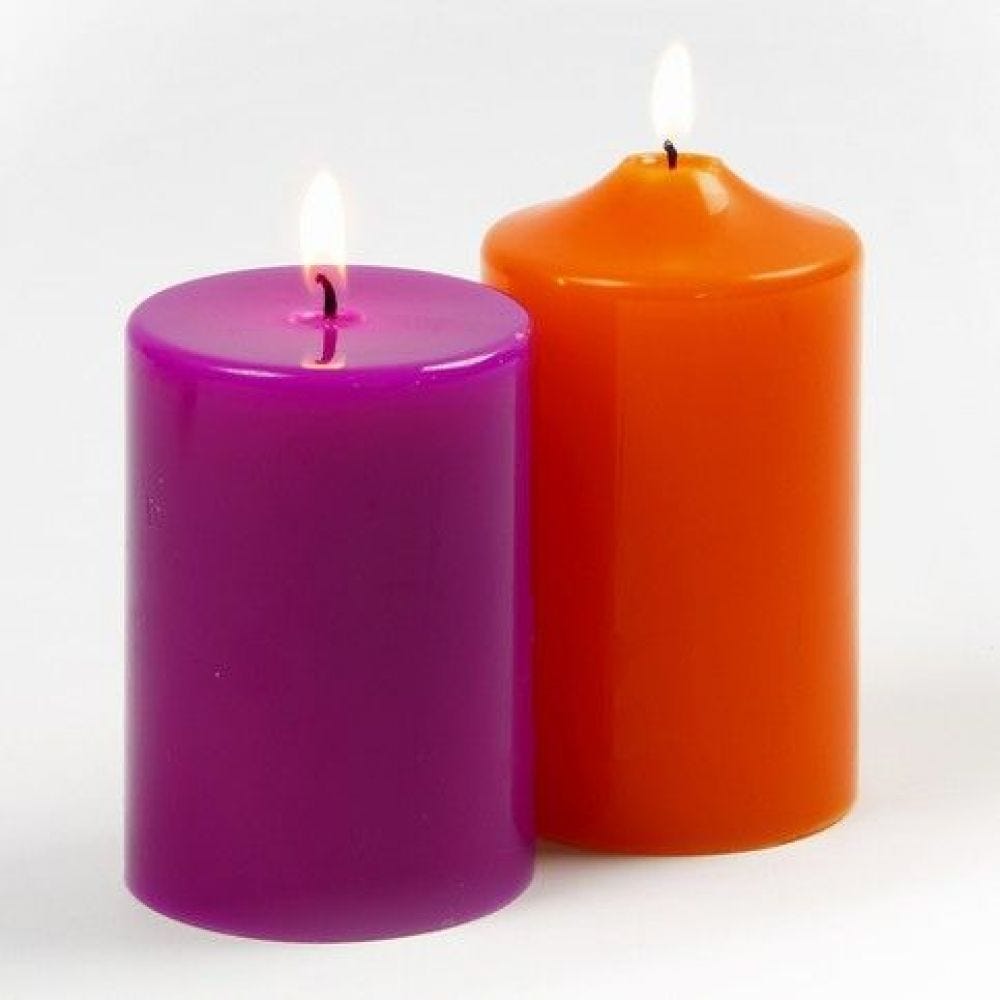
candles from paraffin wax
How to Make Paraffin Candles
You’ll need paraffin wax, a double boiler, candle wicks, and fragrance oils to make paraffin candles. Here is the process for this:
1. Prepare your workspace with newspapers or a disposable tablecloth for easy cleanup.
2. Cut the paraffin wax into small chunks to help it melt faster.
3. Heat it gently in a double boiler, stirring occasionally, until it’s fully melted.
4. Add a few drops of fragrance oil to the melted wax for a pleasant scent if desired.
5. Secure the candle wick at the bottom of a clean, empty candle container.
6. Pour the melted wax into the container, ensuring the wick stays centered.
7. Let the candle cool and harden for several hours. Trim the wick, and your paraffin candle is ready to use.
8. Remember to follow safety precautions when working with hot wax and open flames.
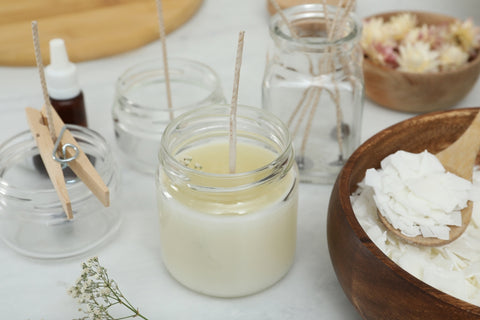
how to make paraffin candles
How to Melt Paraffin Wax ?
Melt paraffin wax safely by using a double boiler or a microwave. Cut the wax into small pieces for the double boiler method and place them in the top pot of the double boiler. Fill the bottom pot with water and heat it gently.
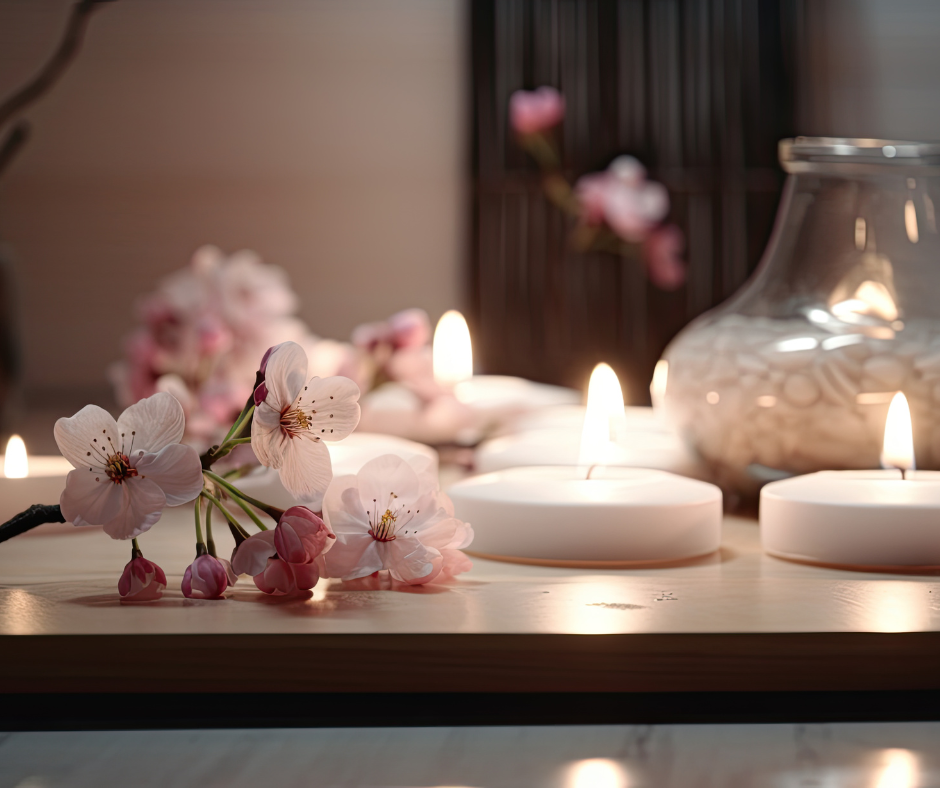
paraffin candles
As the water simmers, the wax will melt. Stir occasionally for even melting. In the microwave method, place the wax chunks in a microwave-safe container and heat them in short intervals, stirring each time, until they melt entirely.
- Appearance:
Paraffin wax candles often exhibit a smooth and attractive appearance with a clean, uniform surface. They are highly versatile and easily dyed to create a wide range of rapeseed wax colors and textures, making them suitable for various decorative purposes.
- Scent Throw:
Paraffin wax candles are known for their ability to provide a strong and consistent scent throw. They readily accept and hold fragrance oils, ensuring that the chosen aroma is released effectively into the surrounding space when the candle is lit.

Pros
- Paraffin wax is cost-effective, making candles an economical choice for everyday use
- It is readily available, making it easy to find and purchase for candle-making.
- Traditional paraffin candles typically burn with a consistent, higher temperature, steady flame, providing reliable illumination and good environmental impact.

Cons
- These candles can produce black soot when burned, leading to discoloration and air quality issues.
- Paraffin is derived from oil, which can raise environmental concerns.
Soy Wax
What is Soy Wax?
Soy wax is a natural, biodegradable, and eco-friendly alternative to traditional, most common wax used in candle making. It is derived from soybean oil, making it a renewable resource. Soy wax burns cleaner and slower, producing minimal soot and a longer-lasting candle. Soy wax is famous for those seeking a more sustainable and healthier option.
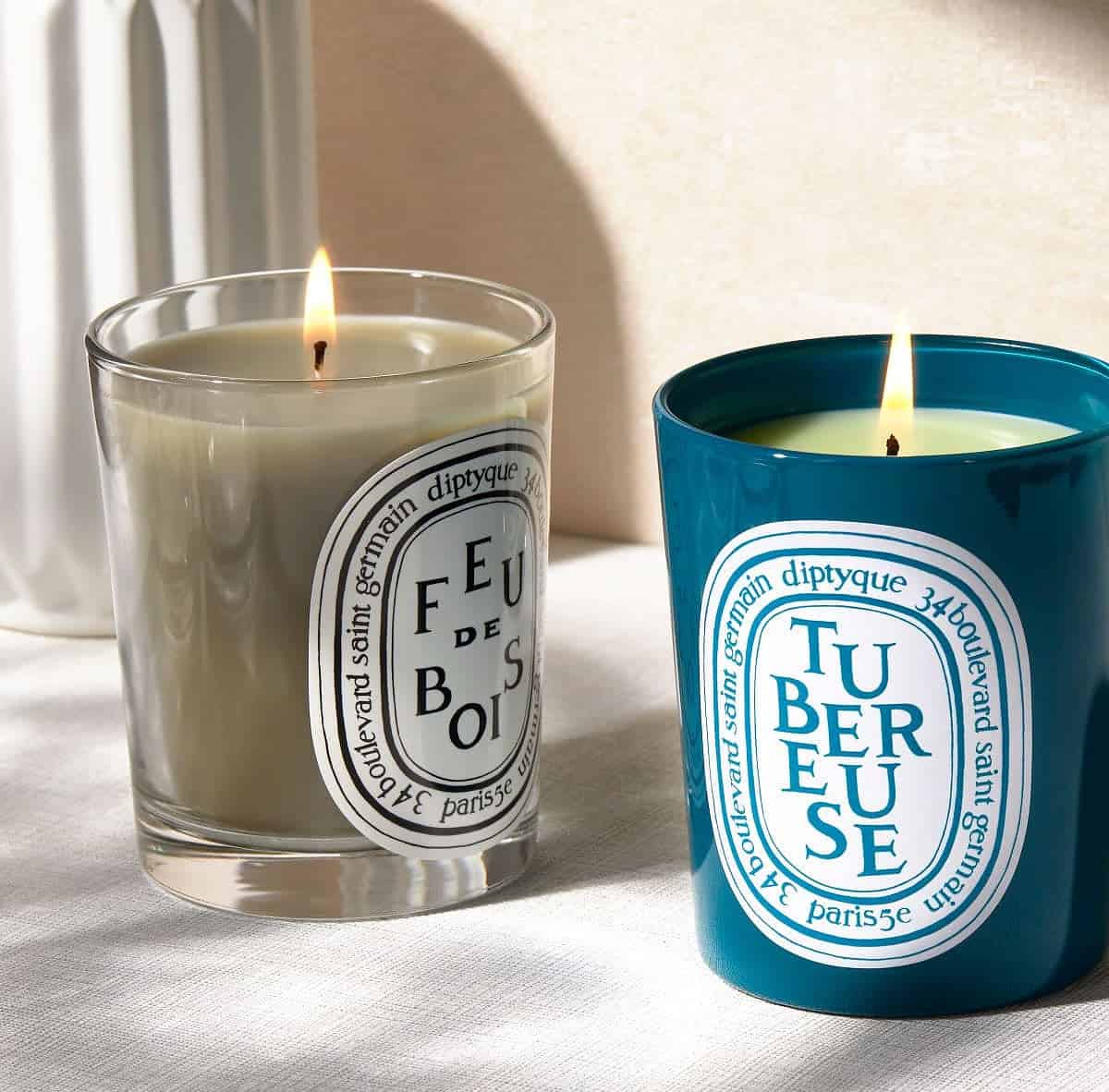
candles from soy wax
Soy Candle-Making Process
Check out the method to make soy wax candles:
1. You’ll need soy mineral wax flakes, a double boiler, a wick, and a container.
2. Use a double boiler to melt the paraffin wax candle flakes. Heat it to around 170-180°F (77-82°C).
3. Secure the wick to the container’s center using a soy wax wick holder or adhesive.
4. If desired, mix fragrance and essential oils when the wax cools to about 140-150°F (60-65°C).
5. Carefully pour the melted wax into the container, leaving some space at the top of these vegetable waxes.
6. Let your own candles cool and harden. Trim the wick of this type of wax to about 1/4 inch (0.6 cm).
How to Melt Soy Wax
Melting soy wax is a simple process. First, set up a double boiler by placing a heatproof container filled with soy wax flakes on top of a pot of simmering water. Heat the wax gently, stirring occasionally to ensure even melting. Be cautious not to exceed 180°F (82°C) to prevent scorching.
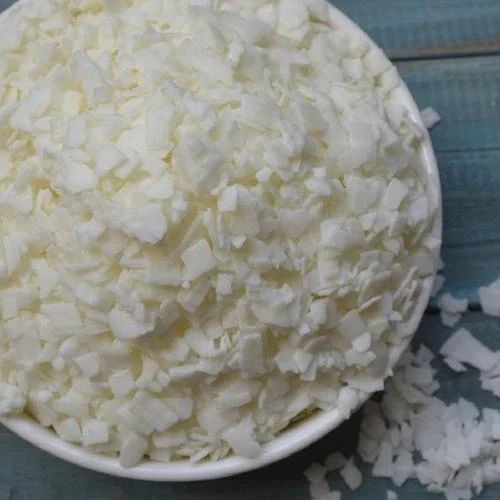
how to melt soy wax
Once thoroughly melted, remove the soy wax container candles from heat, and it’s ready for your project. Its low melting point, cold throw, and ease of use make soy wax a popular choice for candle enthusiasts.
- Appearance:
Soy wax, when solid, has a smooth, creamy appearance with a slightly off-white or pale yellow color. It’s known for its clean, even burn, resulting in a glass-like, frosty appearance as the candle burns. Many candle makers and consumers favor this type of wax aesthetic quality, giving soy wax candles a natural and contemporary look that complements various decor styles.
- Scent Throw:
Soy wax offers a stronger scent throw, which refers to the candle’s ability to disperse fragrance into the surrounding space. It holds fragrance and has a robust and long-lasting scent throw, ensuring the chosen fragrance is consistently released as the candle burns.
Pros
- Soy wax is environmentally friendly, cruelty-free, biodegradable, and derived from a renewable resource, making it a responsible environmental impact choice.
- Soy candles produce less soot and don’t release harmful toxins, improving indoor air quality and health benefits.
- Soy wax candle generally burns longer and slower than paraffin waxes and have a low melting point.
Cons
- Soy waxes are often more expensive than paraffin waxes, making soy candles pricier.
- This type of wax has a hot throw and softer texture, making it more susceptible to dents or scratches on the candle’s surface, affecting its appearance over time.
Beeswax
What is Beeswax?
Beeswax is a natural substance produced by honeybees. It’s secreted from glands on the abdomens of worker bees and is used to construct honeycomb cells. Beeswax is a renewable and sustainable resource, prized for its sweet, subtle aroma and clean-burning properties. It has a multitude of applications, with one of the most popular being candle-making.
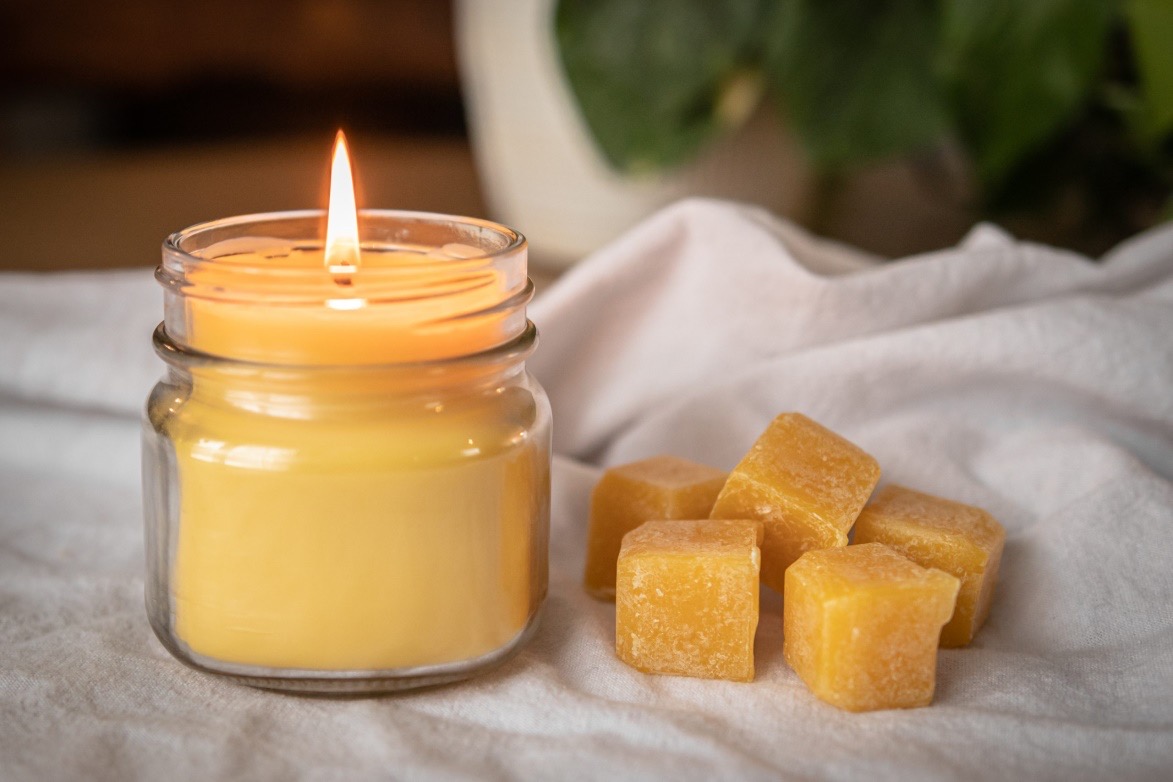
candles from beeswax
How to Make Beeswax Candles
You’ll need beeswax sheets or pellets, wicks, a double boiler, and candle jars to make beeswax candles. Start by cutting the sheets or melting the pellets. Thread a wick through the mold, pour the melted wax, and allow it to cool. Once it solidifies, trim the wick, and your beeswax candle is ready for use.
How to Melt Beeswax
Melt beeswax safely by using a double boiler setup. Place chunks of this expensive candle wax in the top pot or bowl, which sits above simmering water. Heat it gently, stirring occasionally, until the wax is fully melted. Be cautious, as beeswax is flammable, and never leave it unattended.
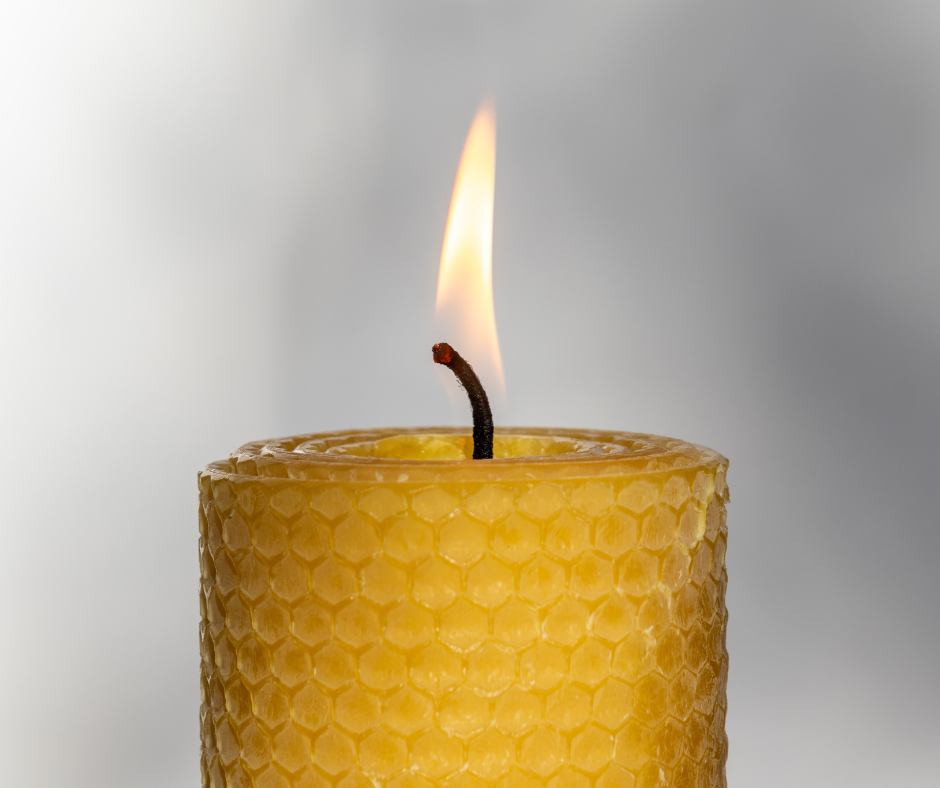
how to melt beeswax
Once melted, you can use it for various crafts, like candle-making or homemade beauty products. Clean any residual beeswax promptly to avoid it hardening and clogging your utensils.
- Appearance:
Beeswax is typically seen in solid, opaque forms, such as sheets, pellets, or blocks. It has a rich, warm, and creamy color that can vary slightly depending on its purity and origin. Pure standard wax often features a smooth, shiny surface, while impurities can cause a more textured appearance.
- Scent Throw:
Beeswax has a subtle, honey-like scent often described as sweet and pleasant. However, beeswax scent throw, or the ability to release fragrance when used in candles or other products, can be relatively low compared to synthetic alternatives.
Pros
- Bees wax candles are environmentally friendly, cruelty-free, and burn cleanly, producing very little soot or toxins. They don’t release harmful chemicals into the air, making them a healthier choice for indoor air quality.
- Beeswax candles have a longer burn time with less soot than paraffin or soy candles. They are efficient and can provide hours of gentle, steady light.
- Beeswax has a pleasant, natural honey-like scent that enhances the ambiance of a room without the need for synthetic fragrances.
Cons
- Beeswax is more expensive than candle wax materials like paraffin or soy wax, making beeswax candles the most expensive candle wax.
- While beeswax has a subtle natural scent, it may not hold synthetic fragrances as effectively as other waxes, limiting the variety of scents available for beeswax candles.
Paraffin vs Soy wax vs Beeswax: What Type Of Scented Candle Wax Should You Use?
Paraffin vs Soy wax vs Beeswax is a common question. Soy wax or beeswax are generally considered healthier candle options than paraffin wax. Paraffin wax is derived from petroleum, releasing harmful chemicals when burned. In contrast, soy wax is renewable and produces fewer toxins.
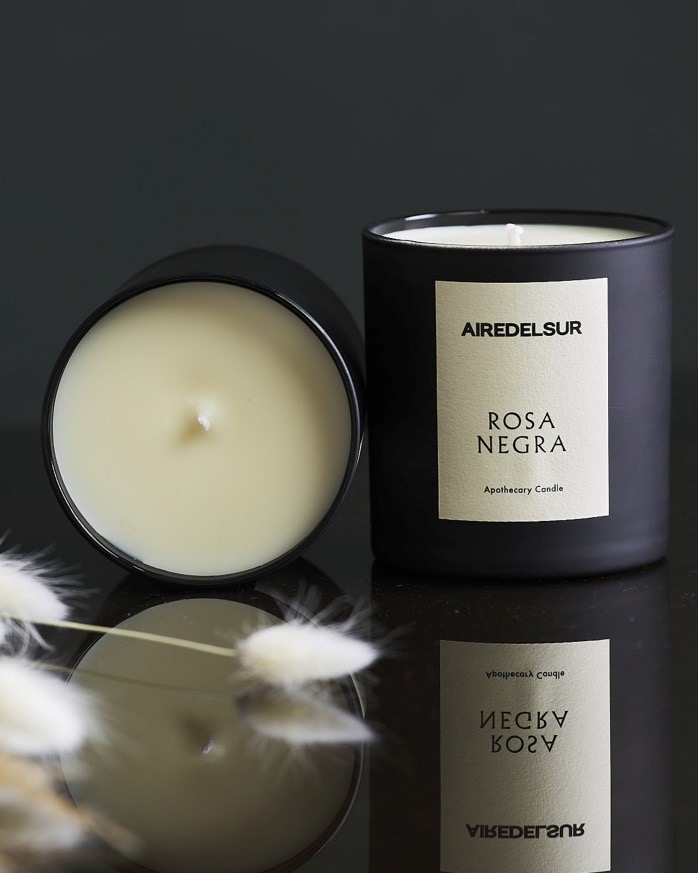
paraffin vs soy vs beeswax
Beeswax is natural and non-toxic, emitting a subtle honey aroma. However, personal preference and ethical considerations may influence your choice among these three waxes, but both soy wax and beeswax candles are the best coconut wax options.
Conclusion
In conclusion, choosing natural waxes and scented candles depends on various factors, including personal preferences and priorities. Not all candles are the same, and all three wax have their features. Ultimately, the healthiest wax for scented candles varies from person to person, making it essential to consider your specific vegan lifestyle needs and values.
Frequently Asked Questions:
What is the healthiest wax for candles?
The healthiest candle palm wax is typically beeswax, as it is natural, non-toxic, and doesn’t release harmful chemicals when burned.
What are the negatives of using beeswax to make candles?
Beeswax is more expensive than other waxes and can have a subtle honey scent. Additionally, it may not hold fragrances as firmly as soy or paraffin wax.
Are soy candles as good as beeswax?
Soy candles are an excellent alternative to beeswax. They are eco-friendly, clean-burning, and can hold fragrances well. The choice between soy wax and beeswax often comes from personal preferences and values.
Infographic: “Paraffin vs Soy wax vs Beeswax: Choosing the Right Wax for Scented Candles”
· Paraffin Wax: Cost-effective choice with a strong fragrance throw.
· Soy Wax: Eco-friendly, clean-burning, and excellent fragrance retention.
· Beeswax: Natural, non-toxic, and offers a subtle honey scent.
helloI like your writing very so much proportion we keep up a correspondence extra approximately your post on AOL I need an expert in this space to unravel my problem May be that is you Taking a look forward to see you