
Do essential oils expire? Yes, they do. Just like food has an expiry date, essential oils also have a limited shelf life. How long they last depends on the type of oil, how you store it, and the quality of the product you bought. In this guide, we’ll explore complete details about their expiry and share tips on how to make them last longer.
So, if you love using these oils for their pleasant scents and potential health benefits, read on to find out do essential oils expire and how to keep them fresh and compelling for as long as possible.
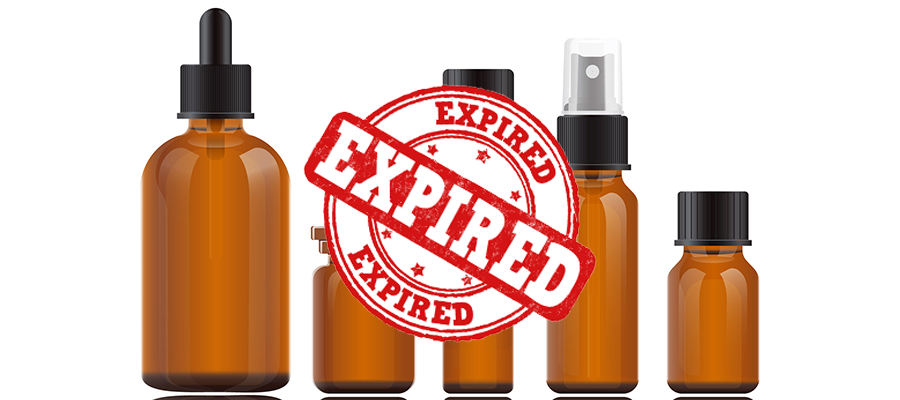
do essential oils expire
Why Do Essential Oils Expire?
They have a shelf life and can eventually expire due to several factors:
• Chemical Composition:
They are composed of volatile compounds extracted from plants. Over time, these compounds can break down or oxidize, altering the oil’s chemical composition. It can lead to changes in scent, color, and therapeutic properties.
• Exposure to Air and Light:
Essential oils are sensitive to oxygen and light. When exposed to air and light, the oils can degrade more quickly. Properly sealing bottles and storing them in dark, airtight containers can help prolong their life.
• Temperature Fluctuations:
Extreme temperatures, whether too hot or cold, can negatively affect essential oils. Fluctuations in ideal temperature can cause the oils to expand and contract, potentially leading to leaks or changes in quality.
• Contamination:
If they come into contact with contaminants like water or other food chemical properties substances, they can become compromised. Proper handling and storage can prevent this.

essential oils
Understanding the Typical Lifespan of an Essential Oil
The duration an essential oil remains effective and safe for use can vary depending on several factors. Generally, essential oils have an approximate shelf life of about one to three years from production.
Some oils, such as citrus essential oils like lemon or grapefruit, tend to have a shorter shelf life of around one year. On the other hand, you must buy essential oils like patchouli, vegetable oils, sandalwood, and vetiver, as they can often last longer, up to three years, or even more. Several factors can influence the longevity of an essential oil. These include:
• Storage Conditions: Keeping them in a cool, dark place away from direct sunlight and temperature fluctuations can make essential oils last longer.
• Quality: High-quality oils, free from contaminants, typically have a longer shelf life than lower-quality products.
• Type of Oil: Each essential oil is unique; some are inherently more stable than others.
• Container Quality: Using dark glass bottles with airtight seals helps protect oils from oxidation and degradation.
Preserving the Longevity of Essential Oils
Now, let’s delve into the techniques for extending the shelf life of an essential oil.
1. Minimizing Oxygen Exposure
One of the primary factors that can degrade essential oils over time is exposure to oxygen. When any essential oil comes into contact with oxygen, it can undergo an oxidation process, losing its therapeutic properties and a shorter shelf life. To mitigate this for oils trapped inside, it’s crucial to prevent oxygen exposure.
One effective way to achieve this is to choose dark-colored glass bottles for storage. Dark glass, such as amber or cobalt blue, helps block out light, including UV rays and reduces the chances of oxygen permeating the container.
The more opaque the glass, the better it shields against oxidation. Additionally, ensure the bottles have airtight caps or dropper lids that seal tightly when closed. It will create a barrier, keeping oxygen at bay.

do essential oils expire
2. Shielding from Heat and Light
Another critical aspect of extending the shelf life of an essential oil is protecting it from light and heat. These oils are highly volatile and sensitive to environmental factors. Exposure to direct sunlight or prolonged heat can cause chemical changes in the oils, leading to deterioration.
Store your essential oil in an excellent place to shield your oil from light.
A medicine cabinet, kitchen cupboard, bottle, or drawer is ideal. Avoid placing them on windowsills or countertops where they can be exposed to sunlight. Furthermore, consider using Buddha wood storage boxes or trays that can provide additional insulation from temperature fluctuations.

shielding oils from heat and light
3. Using Smaller Containers
When preserving freshness, using small containers can be a valuable strategy for more protection. A larger container leaves more space where oxygen can accumulate. The more air in the container, the higher the likelihood of oxidation.
Transferring your thermally oxidized oil into smaller, appropriately sized bottles can reduce the amount of oxygen in contact with the oil. When you finish a bottle, move the remaining oil to a smaller one to minimize the headspace.
Ensure the new container is clean, dry, and airtight to prevent the oxidation process from occurring. In the same way, you must also soak overnight in smaller bottles to extend their shelf life and give better protection.

essential oils
How To Check When An Essential Has Expired?
Determining whether your essential oil has expired is necessary to ensure its effectiveness and safety when using it for aromatherapy or other purposes. Here are some key indicators to help you assess if you are using any expired essential oils:
• Aroma: The most apparent sign of essential oil expiration is a change in smell. If the oil bottle has a rancid or unpleasant smell, it’s likely gone bad.
• Appearance: Over time, any essential oil can become cloudy, thicker, or develop sediment. These changes can signal a loss of quality.
• Label Information: Check the bottle label for an expiry date or a “best by” date. While not all essential oils have this information, it’s helpful if available.
• Color: Some essential oils can change color as they age. If oil has significantly darkened or has developed an unusual hue, it may be expired. But remember, these oils do not grow mildew.
• Efficacy: If an essential oil no longer produces the expected therapeutic effects, it might be past its prime. It can be subjective, so it must be compared to a fresh sample.
• Storage Conditions: Improper bottle storage, such as oils exposed to heat, light, or air, can accelerate and extend the expiration process. Store your oils in dark, airtight containers in a cool, dry bottle.
• Skin Sensitivity: Expired essential oils may cause skin irritation or allergies that fresh oils typically do not. Perform a patch test on small areas of skin if you suspect an oil is no longer safe for use on the skin.
Ways for Expired Essential Oils Disposal
Expired essential oil disposal requires careful consideration to minimize environmental impact and ensure safety. One option for handling these oils is to dilute them with a suitable carrier oil and repurpose them as natural household cleaners.
Plant therapy oils like tea tree, lavender, and lemon can be effective, even if they have lost some therapeutic properties.
Cleaning and recycling essential oil bottles according to local recycling guidelines is suitable for empty essential oil bottles. Glass bottles are typically recyclable. They can be repurposed for other oil uses or sent for proper recycling.
In the case of a large quantity of essential oil expired or uncertainty about proper disposal methods, seeking advice from hazardous chemical constituents, waste disposal professionals, or environmental agencies is advisable.
Any aromatherapy expert can offer tailored solutions to ensure the responsible and eco-friendly disposal of expired essential oils.
Avoid pouring expired oils down the drain or flushing them in all cases, as this can harm aquatic ecosystems and sewage systems, posing potential risks to the environment and human health. Disposing of these expired oils is crucial to protecting nature and our well-being.

essential oils
Conclusion
Essential oils only last for a while, but if you take good care of them, they might stick around even past their recommended expiration date. Store them in a cool, dry place, inside a dark bottle, away from direct heat and light.
Make sure to seal the bottle when you’re not using it. If you ever notice any strange smells, colors, or anything else weird with your essential oil, it might be expired, and it’s best to get rid of it safely without waiting for any other indications. So, while they have an expiry date, proper storage can affect how long essential oils last.
Frequently Asked Questions
Contents
1. How long do essential oils last?
The EO shelf life varies depending on the type of oil and how they are stored. Generally, most essential oils can last 1 to 3 years when stored in a cool, dark bottle and tightly sealed.
However, some essential oils, like citrus oils, tend to have a shorter shelf life, while others, like patchouli or sandalwood, can last much longer if stored properly.
2. What can you do with old essential oils?
You can use them in cleaning solutions, as many essential oils have natural antimicrobial properties. Moreover, they can also be added to DIY candles, soaps, or homemade skincare products for their fragrance.
3. How many times can you apply essential oils?
The frequency of applying essential oils can vary depending on the oil and the individual’s sensitivity.
A standard guideline is to use a 2-3% dilution, which means 2-3 drops of essential oil per teaspoon of carrier oil. Applying diluted essential oils once or twice a day is sufficient for most people.
4. Is it safe to inhale essential oils?
Inhaling different oils can be safe, but caution is necessary. A standard and secure method uses a diffuser, dispersing critical oil molecules. Always follow recommended dilution guidelines and use a reputable diffuser.
For Infographic:
Title: Tips for Extending the Shelf Life of Essential Oils
• Store in a Dark and Cool Place: Protect oils from ultraviolet light and heat.
• Use a Cobalt Glass Bottle: Shield oils from light exposure.
• Keep Caps Tight: Minimize air contact to prevent oxidation.
you are in reality a just right webmaster The site loading velocity is incredible It seems that you are doing any unique trick In addition The contents are masterwork you have performed a wonderful task on this topic